
Description:
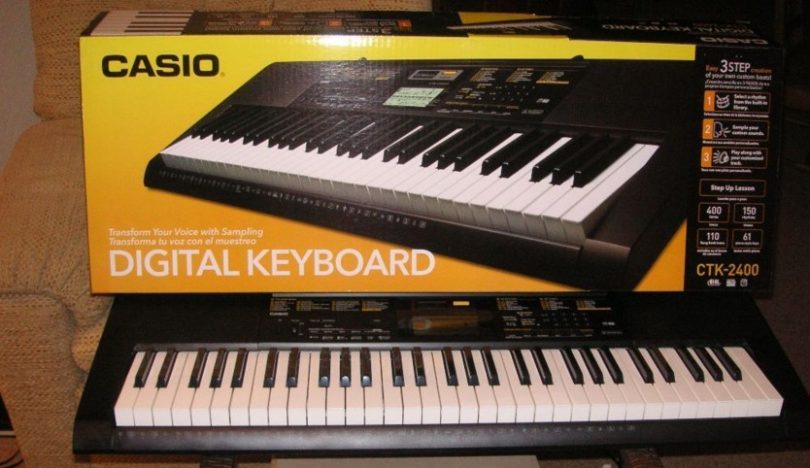
The Casio CTK2400 is marketed as a sampling keyboard and this feature is what may attract buyers to it.
As a standalone instrument it provides a good starting instrument to young, curious musicians who like to explore musical possibilities through creative sound use and want an instrument that will give them access to some fun elements and assist them in making music.
The CTK2400 has a large selection of functions that serve to enhance even the most novice of musicians to produce some substantial musical productions.
The CTK2400 is a pretty decent entry-level keyboard with some added extra features that offer a little more bang for your buck.
The Casio CTK-2400 61-key portable keyboard is lightweight, compact, and includes a whopping 400 tones to choose from – which means young students won’t ever be able to say it sounds boring.
It weighs less than 10lbs, so children can easily carry it to friends’ homes, lessons, or school.
The CTK-2400 also includes a USB MIDI connection so it can be plugged into your computer for recording and an audio-in port that allows you to plug your phone or iPod in and play music through the speakers.
Of course, there are only 61 keys, which won’t be enough for professionals or advancing students playing more complicated pieces.
You’ll want a 76-key or full-size 88-key keyboard as your primary instrument at that level.
The size is probably the biggest downside to this feature-packed keyboard – if you don’t need a full-size keyboard, but you do want lots of bells and whistles, the CTK-2400 includes a slew of built-in features for you to enjoy while you play.
No matter where you are, the compact CTK-2400 turns each piece of music into a true sound experience. Let yourself be carried away with the wide range of 400 AHL tones, and become acquainted with the improved sampling function: Using the built-in microphone, it is easy to record samples, and they can also be integrated into the rhythm. In addition, the sampling effects have been improved. Additional features, such as the 150 rhythms or the step-up learning system, ensure a lively introduction to the world of music and make each performance an exciting acoustic experience.
Being a cheaper model keyboard, the sounds were very typical of the general Midi tones that have become quite standard with keyboards from the early 90’s.
The keyboard offers 48 actual Midi tones and 400 other sounds which cover the range of different instrument types and a section of electronic sounds to boot.
With no advanced tone-generating technology, the CTK2400, although offering a large variety of sounds, gives a pretty bland palette of the usual tones seen on many other keyboards.
A small selection of effects such as reverb and chorus offer some customisable adjustment of the sound but the rather one-dimensional tones do not improve significantly with the added effects. The general midi tones lack the complexity of true sampled sounds.
The overall large selection of four hundred tones does include a few tones that are quite pleasant but because of the general lack of depth in the tones, the sounds quickly tire on the ear.
To the more discerning player the sounds come across as too computer generated and do not inspire much musical creativity.
Sound-wise the sampling feature of the keyboard records a realistic short phrase and allows for a reasonably faithful playback of the sound across the range of the keyboard.
The 61 full size keys give the feel of playing a proper instrument, but the notes are not velocity sensitive, meaning that one cannot play loud or soft through pressure sensitivity to any large extent.
The keys behave pretty much as an on/off switch for the tones set on the instrument. This will frustrate players who have learnt to play on acoustic instruments requiring a touch and pressure sensitivity.
The plastic keys offer little resistance to being pressed and respond like those of an organ.
Musicians that have even a medium level of skill, may find the touch too simplistic and with many other keyboards offering features such as velocity-sensitivity, after-touch and weighting, the touch on this instrument feels a lot cheaper than even many other bottom of the range options.
Product Specifications:
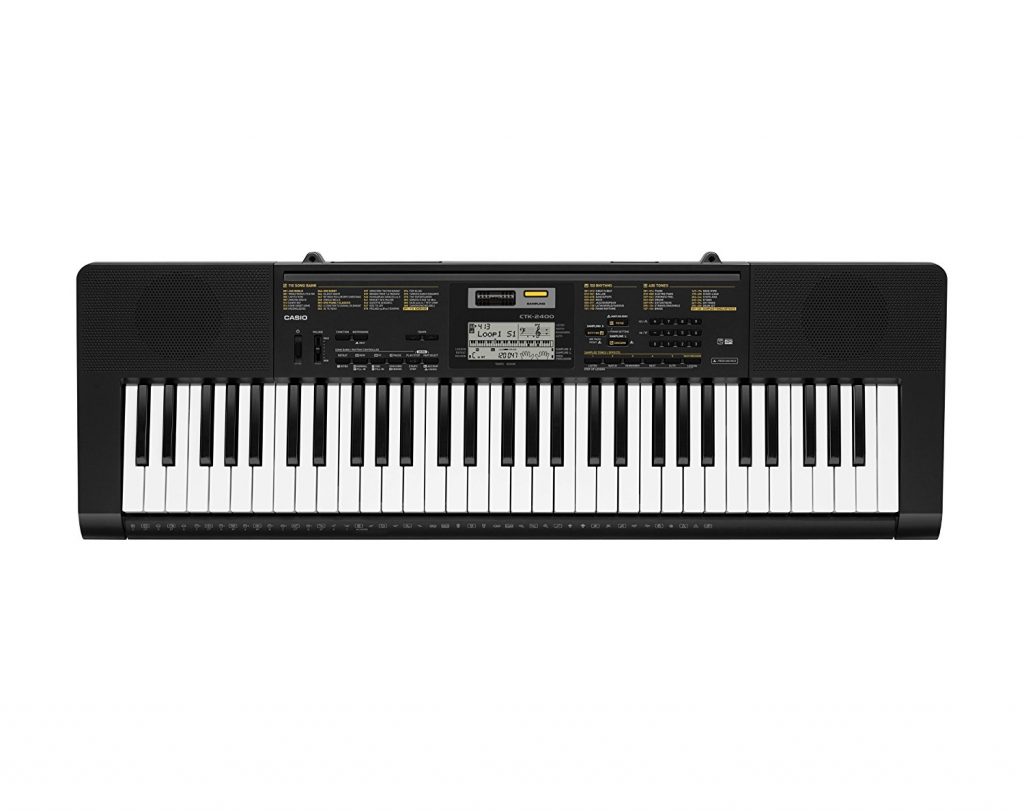
- Keyboard: 61 (Piano-style)
- Polyphony: 48 notes
- Sound Source: AHL 48 GM voices
- Transpose: -12 to +12 semitones
- Tuning: A4 = 415.5Hz to 465.9Hz (initial Default : 440.0Hz)
- Tones: 400
- Sampling Function: Maximum Sampling Time 2 sec. (Long Sampling Mode)
1 (Long Sampling) or 5 (Short Sampling) tones / - Digital Effects: 10
- Rhythms:150 (including 20 for piano play and 55 world rhythms)
- Functions:
- Fingered and One Finger chords,
Fill In,
Start/Stop/Synchro Accompaniment styles.
Song Bank: 110 (including 20 Exercise Phrases) - Built In Mic
- Lesson Function
- Metronome: 30 to 255BPM
- Demo Song: 90 songs loop play (excepting Exercise Phrase)
- Display 92mm x 40mm LCD
- Speakers:10cm x 2
- Amplifiers: 2W + 2W
- Power Supply: 9.5V DC (AD-E95100L) / 6 AA-size batteries
- Auto Power Off
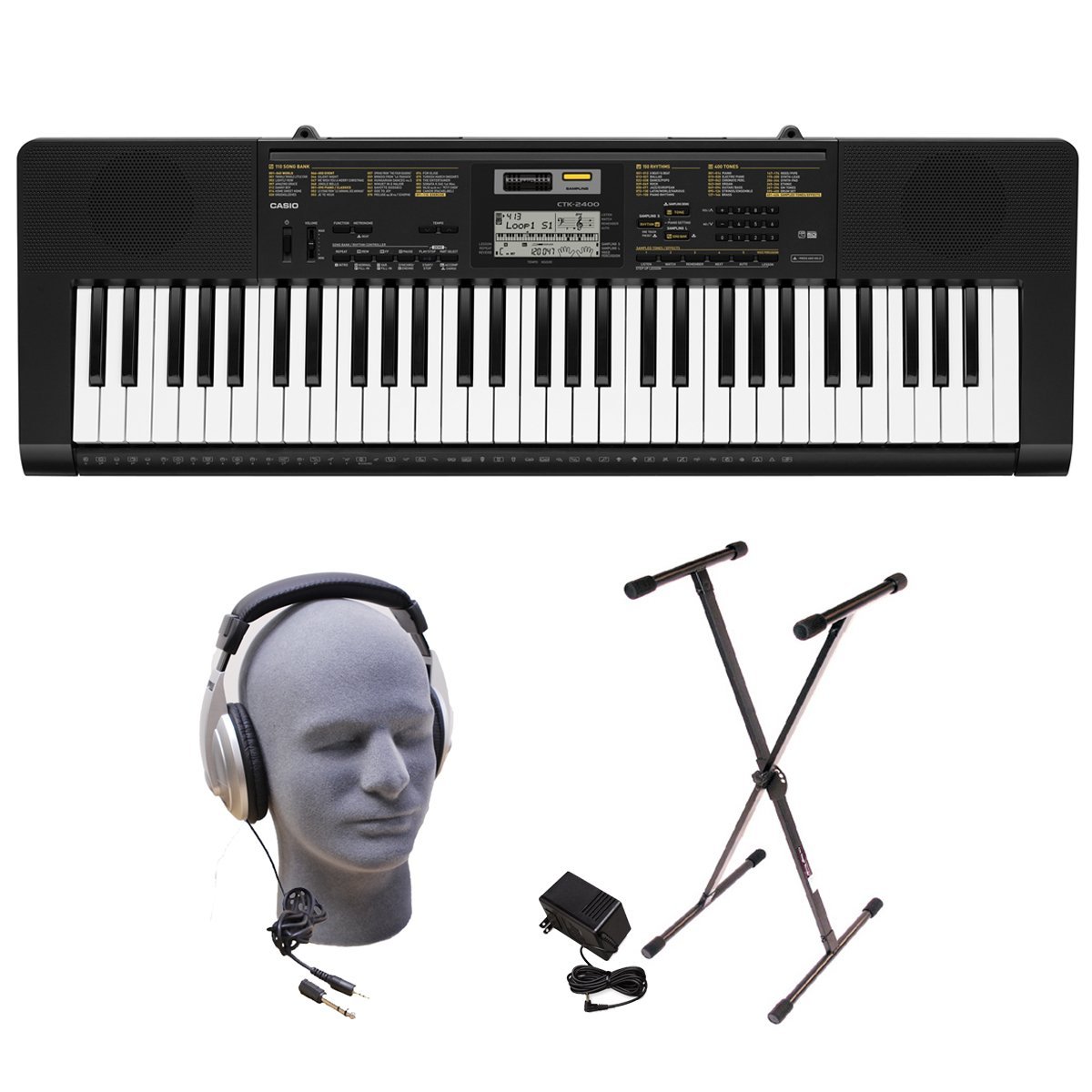
- Included Accessories:
- Samson HP30 headphones,
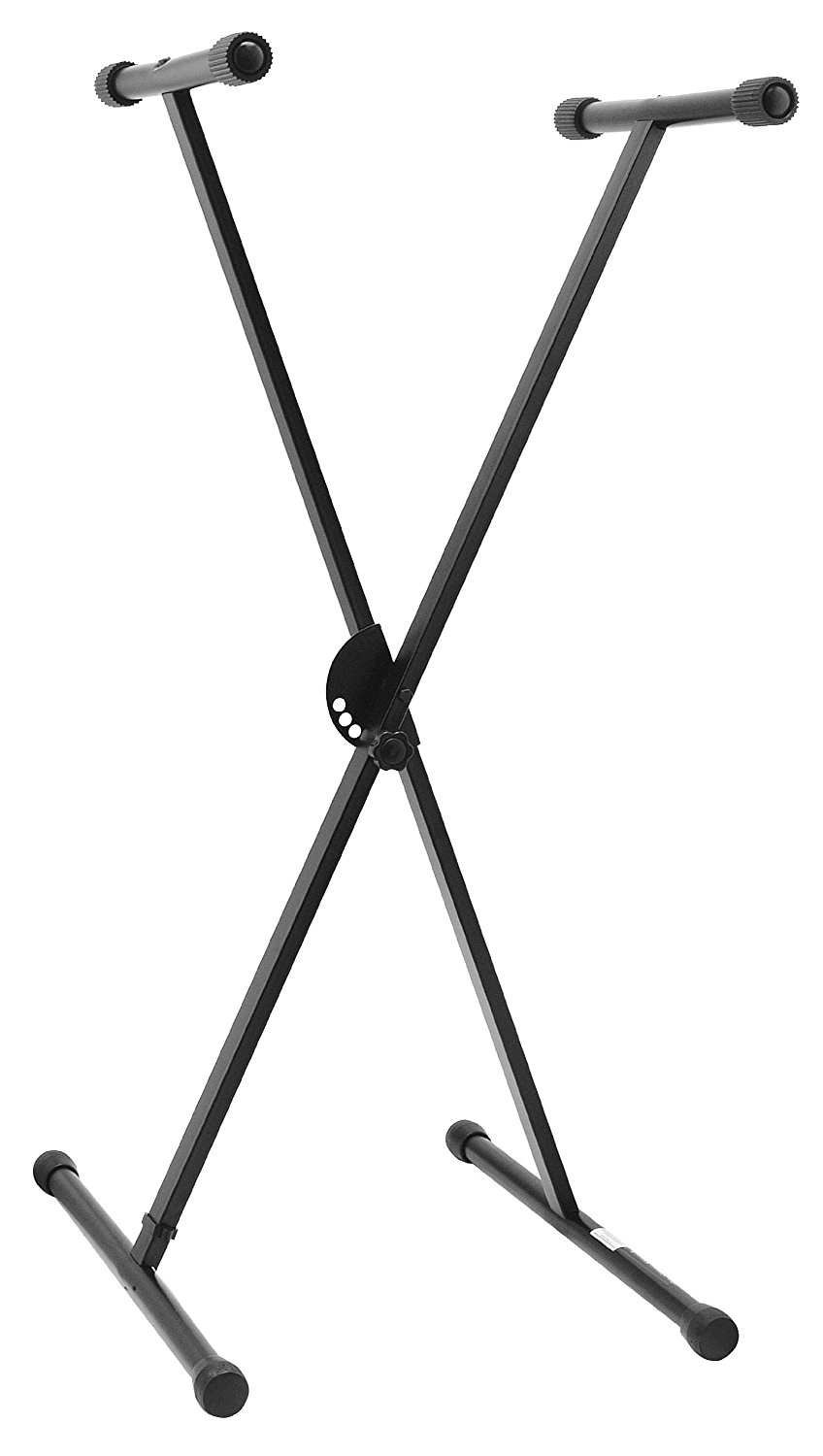
x-style stand,
power supply.
Pros:
The keyboard has full size keys that while not, weighted at least give the feel of playing on a real piano. As such it is a nice entry level instrument for those wanting to learn to play or experiment with music for the first time.
The added sampling feature and assignable pad feature gives a great creative outlet for some fun musical performances and users will probably spend many hours experimenting with this handy musical option.
A large variety of effects and tones give the user a wide choice to play with and give some creative expression to users. For keyboards in this price range the CTK2400 offers some added value in terms of features and functionality.
The LCD screen gives some assistance to the user to help them learn to play the demo songs included on the machine.
A range of beginner to intermediate songs are included and it won’t take long for those who have never played to find themselves following the screen prompts and performing their favourites together with the accompaniment inclusions on the keyboard.
The price is attractive and as an experimental musical instrument it does offer young beginners an instrument that they can learn to play with ease.
Younger children will enjoy the light keys and have fun with the rhythm presets as well as creating and recording their own sounds and using them as notes on the keys.
Cons:
The sounds on the keyboard sound digitally generated and do not have the depth of complexity that is found on so many of the newer models available today.
The 61 keys can be a bit limiting for full expression and particularly when the user wants to use the bass tones for accompaniment.
The low polyphony of only 48 notes leads to a lack of sustaining notes when the limit is reached and this happens quickly once layering takes place through the use of the accompaniment functions.
The lack of velocity sensitive keys also means that musicians, used to the keys of a real piano, will feel severely hampered in their ability to express themselves on the instrument and the ability to control the volume of a note through fingers is non-existent.
The teaching facility is not as dedicated as some of those on other models, which gives full chord usage and allows for breakdown of left and right hand or for performing smaller sections of the piece.
This may frustrate students who are trying to put a piece together and want to work on a particular section or break it down into more manageable portions.
It is also not an instrument that has a range of connectors to other instruments and devices and this also means that it is limited in its use together with a computer or for storing and recording pieces.
Conclusion:
If you’re searching for a budget-friendly beginner keyboard or a portable backup instrument, our Casio CTK2400 61-Key Portable Keyboard review has outlined the features that make this keyboard stand out.